
Sambal Goreng Tempe: A Tantalizing Indonesian Delicacy
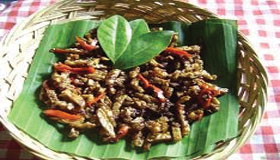
Indonesia is renowned for its rich and diverse culinary traditions, and one dish that stands out is Sambal Goreng Tempe. This traditional Indonesian delicacy combines crisp-fried tempeh with a spicy sambal sauce, creating a mouthwatering dish that delights both vegetarians and meat lovers alike. In this article, we will explore the origins, ingredients, preparation, and the flavorful experience of Sambal Goreng Tempe.
The Origins of Sambal Goreng Tempe:
Sambal Goreng Tempe originated from the Indonesian archipelago, where tempeh, a fermented soybean product, has been a staple for centuries. The technique of making tempeh was brought to Indonesia by Chinese immigrants, and it quickly became an integral part of Indonesian cuisine. Over time, locals developed various tempeh recipes, and Sambal Goreng Tempe emerged as one of the most beloved dishes.
Ingredients and Variations:
The primary ingredient in Sambal Goreng Tempe is tempeh. Tempeh is made by fermenting soybeans, which are cooked, inoculated with a tempeh starter culture, and allowed to ferment for a specific period. Other common ingredients include shallots, garlic, chili peppers, tamarind paste, palm sugar, and various spices. Some regional variations may include additional ingredients like coconut milk, turmeric, and galangal.
Preparation Method:
To prepare Sambal Goreng Tempe, start by cutting the tempeh into bite-sized pieces. Next, heat some oil in a pan and fry the tempeh until it turns golden brown and crispy. Remove the tempeh from the pan and set it aside. In the same pan, sauté the shallots, garlic, and chili peppers until they become fragrant. Then, add tamarind paste, palm sugar, and any other desired spices. Finally, return the fried tempeh to the pan and stir it well to coat it evenly with the sambal sauce. Allow the flavors to meld together for a few minutes before serving.
Serving Suggestions:
Sambal Goreng Tempe is commonly served as a side dish in Indonesian cuisine. It pairs exceptionally well with steamed rice, creating a satisfying and balanced meal. Some people also enjoy it as a snack or appetizer. For a complete Indonesian culinary experience, you can serve it alongside other traditional dishes like Nasi Goreng (fried rice) or Gado-Gado (Indonesian salad).
Flavor Profile and Cultural Significance:
Sambal Goreng Tempe is known for its bold and vibrant flavors. The combination of crispy tempeh and spicy sambal creates a delightful contrast of textures and tastes. The dish delivers a harmonious balance of sweet, spicy, and savory notes, which are characteristic of Indonesian cuisine. In Indonesian households, Sambal Goreng Tempe is often prepared during festive occasions, family gatherings, or simply enjoyed as a comfort food.
Sambal Goreng Tempe showcases the richness and diversity of Indonesian cuisine. Its crunchy tempeh and fiery sambal sauce make it a favorite among both Indonesians and foreigners who are looking to explore the country’s culinary heritage. Whether you’re a vegetarian or a meat lover, Sambal Goreng Tempe is sure to tantalize your taste buds with its irresistible flavors. So, don’t miss out on experiencing this traditional Indonesian delicacy and add it to your culinary adventures
Social Media
Contact Us
| : +6287762361709 | |
| wayanariawan9@gmail.com | |
| Jalan Yudistira No.02, Dusun Enjungsangiang – Desa Kaliasem. Lovina – Singaraja. Bali – Indonesia (Beside lovina Post Office) | |
Recent Posts
- Munduk Waterfall: A Hidden Gem in Buleleng,North Bali
- “Discover the Hidden Gem of Bali: Aling Aling Waterfall in Sambangan”
- Exploring the Majestic Gitgit Waterfall in Sukasada, Buleleng,Bali
- Buddhist Temple in Banjar: A Place of Peace and Tranquility
- Exploring the Enchanting Hot Springs of Banjar
- Lovina Dolphin: The Beauty of Bali’s North Coast
- Lovina Beach: A Serene Oasis on the Northern Coast of Bali
- A Guide to Harnessing the Power of Turmeric in Cooking
- Unleashing the Flavorful Magic: Mastering Galangal in Your Culinary Adventures
- Unleashing the Flavor Power: Mastering the Art of Cooking with Ginger Root