
The Health Benefits of Boiled Vegetables: A Nutrient-Rich Delight
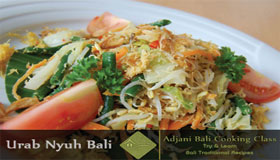
Vegetables are a crucial part of a balanced diet, providing essential vitamins, minerals, fiber, and other beneficial compounds. While there are various cooking methods available, boiling vegetables remains a popular choice due to its simplicity and ability to retain nutrients. In this article, we will explore the health benefits of boiled vegetables and how this cooking method can enhance your overall well-being.
Nutrient Retention:
Boiling vegetables allows them to retain a significant amount of their essential nutrients. Unlike other cooking methods such as frying or roasting, boiling preserves water-soluble vitamins like vitamin C and B vitamins, which can be easily lost during excessive heat exposure. Additionally, minerals like potassium and magnesium also remain intact when vegetables are boiled, contributing to their nutritional value.
Improved Digestibility:
Boiling vegetables breaks down their fibers, making them easier to digest. This can be particularly beneficial for individuals with sensitive stomachs or digestive issues. The softened texture of boiled vegetables also aids in nutrient absorption, ensuring that your body can efficiently utilize the vitamins and minerals they offer.
Increased Hydration:
Boiling vegetables requires the use of water, which not only helps cook the vegetables but also enhances their hydrating properties. By incorporating boiled vegetables into your diet, you can increase your overall water intake, promoting proper hydration and supporting various bodily functions.
Reduced Caloric Intake:
Boiled vegetables are a fantastic addition to any weight management plan. Since boiling requires no added oils or fats, it significantly reduces the caloric content of the vegetables compared to methods like frying or sautéing. This makes them an ideal choice for those aiming to lose or maintain weight without sacrificing nutrition.
Versatile and Flavorful:
Boiled vegetables serve as a blank canvas for creativity in the kitchen. While boiling may not add distinct flavors like roasting or grilling, it allows the natural flavors of the vegetables to shine through. Boiled vegetables can be seasoned with herbs, spices, or a dash of lemon juice to enhance their taste, ensuring a delightful and customizable culinary experience.
Promotes Heart Health:
Including boiled vegetables in your diet can contribute to a healthier heart. Many vegetables, such as leafy greens, cruciferous vegetables (broccoli, cauliflower), and root vegetables (carrots, sweet potatoes), are rich in dietary fiber, potassium, and antioxidants. These nutrients have been associated with a reduced risk of heart disease, lower blood pressure, and improved cholesterol levels.
Supports Immune Function:
The vitamins and minerals present in boiled vegetables play a vital role in supporting a robust immune system. Vitamin C, found in vegetables like bell peppers and broccoli, helps strengthen the immune response and protects against common illnesses. Boiled vegetables can be an excellent addition to your diet to bolster your body’s natural defense mechanisms.
Boiled vegetables offer a multitude of health benefits, making them an indispensable part of a nutritious diet. Their ability to retain essential nutrients, promote digestion, hydrate the body, and support overall health make them a worthwhile addition to any meal. So, embrace the simplicity and nutritional value of boiled vegetables and unlock the potential for improved well-being with every flavorful bite
Social Media
Contact Us
| : +6287762361709 | |
| wayanariawan9@gmail.com | |
| Jalan Yudistira No.02, Dusun Enjungsangiang – Desa Kaliasem. Lovina – Singaraja. Bali – Indonesia (Beside lovina Post Office) | |
Recent Posts
- Munduk Waterfall: A Hidden Gem in Buleleng,North Bali
- “Discover the Hidden Gem of Bali: Aling Aling Waterfall in Sambangan”
- Exploring the Majestic Gitgit Waterfall in Sukasada, Buleleng,Bali
- Buddhist Temple in Banjar: A Place of Peace and Tranquility
- Exploring the Enchanting Hot Springs of Banjar
- Lovina Dolphin: The Beauty of Bali’s North Coast
- Lovina Beach: A Serene Oasis on the Northern Coast of Bali
- A Guide to Harnessing the Power of Turmeric in Cooking
- Unleashing the Flavorful Magic: Mastering Galangal in Your Culinary Adventures
- Unleashing the Flavor Power: Mastering the Art of Cooking with Ginger Root