
Betutu Ayam: Bali’s Exquisite Culinary Delight
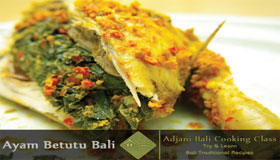
Bali, known s the Island of the Gods, is not only famous for its breathtaking landscapes and rich cultural heritage but also for its mouthwatering cuisine. Among the countless culinary treasures that Bali offers, one dish stands out for its exceptional taste and cultural significance – Betutu Ayam. This article will take you on a gastronomic journey to explore the origins, preparation, and flavors of this traditional Balinese dish.
The Origins of Betutu Ayam:
Betutu Ayam traces its roots back to the royal courts of Bali. This dish has a legendary story behind it, with various accounts claiming its origin. Some say it was first prepared for a Balinese king during a time of war, while others believe it was created as an offering to the gods during important ceremonies. Regardless of its precise origin, Betutu Ayam has become an integral part of Balinese culture and is now enjoyed by locals and visitors alike.
The Preparation Process:
The hallmark of Betutu Ayam lies in its meticulous preparation. The chicken, typically a free-range or organic bird, is seasoned with a plethora of aromatic herbs and spices. The most crucial ingredient is the base spice paste known as ‘basa genep,’ which consists of shallots, garlic, ginger, turmeric, galangal, lemongrass, chili, and shrimp paste. This paste is blended with additional spices like coriander, nutmeg, black pepper, and cloves, creating a harmonious blend of flavors.
Once the chicken is generously coated with the spice paste, it is wrapped tightly in banana leaves to seal in the flavors and ensure even cooking. Traditionally, the package is then slow-cooked in an underground fire pit known as a ‘gerobak,’ infusing the meat with the distinct smoky aroma. However, modern methods utilize ovens or steamers to achieve similar results.
Flavors and Presentation:
The slow-cooking process of Betutu Ayam results in tender, succulent meat that effortlessly falls off the bone. The blend of spices infuses the chicken, creating a depth of flavor that is both robust and complex. The dish strikes a perfect balance between spiciness, sweetness, and a subtle hint of smokiness.
Betutu Ayam is typically served with a range of accompanying side dishes such as steamed rice, lawar (a mixed vegetable salad), sambal matah (a chili condiment), and urap (a mixed vegetable dish). This combination creates a symphony of flavors and textures, showcasing the diverse culinary heritage of Bali.
Cultural Significance:
In Balinese culture, Betutu Ayam holds immense significance beyond its exquisite taste. It is often prepared during important ceremonies and religious rituals, symbolizing the union between humans and the divine. The dish is believed to bring blessings, prosperity, and protection to those who partake in it.
Where to Experience Betutu Ayam:
To truly savor the authentic flavors of Betutu Ayam, Bali offers numerous warungs (local eateries) and restaurants that specialize in Balinese cuisine. Some renowned places to try this delicacy include Warung Liku in Denpasar, Warung Wardani in Ubud, and Warung Men Agus in Sanur. These establishments pride themselves on preserving traditional cooking techniques and ensuring an unforgettable dining experience
Social Media
Contact Us
| : +6287762361709 | |
| wayanariawan9@gmail.com | |
| Jalan Yudistira No.02, Dusun Enjungsangiang – Desa Kaliasem. Lovina – Singaraja. Bali – Indonesia (Beside lovina Post Office) | |
Recent Posts
- Munduk Waterfall: A Hidden Gem in Buleleng,North Bali
- “Discover the Hidden Gem of Bali: Aling Aling Waterfall in Sambangan”
- Exploring the Majestic Gitgit Waterfall in Sukasada, Buleleng,Bali
- Buddhist Temple in Banjar: A Place of Peace and Tranquility
- Exploring the Enchanting Hot Springs of Banjar
- Lovina Dolphin: The Beauty of Bali’s North Coast
- Lovina Beach: A Serene Oasis on the Northern Coast of Bali
- A Guide to Harnessing the Power of Turmeric in Cooking
- Unleashing the Flavorful Magic: Mastering Galangal in Your Culinary Adventures
- Unleashing the Flavor Power: Mastering the Art of Cooking with Ginger Root